

Why Running Conferences Look Different in 2025
What’s behind the transformation of running conferences, and what it means for race directors, brands, and runners


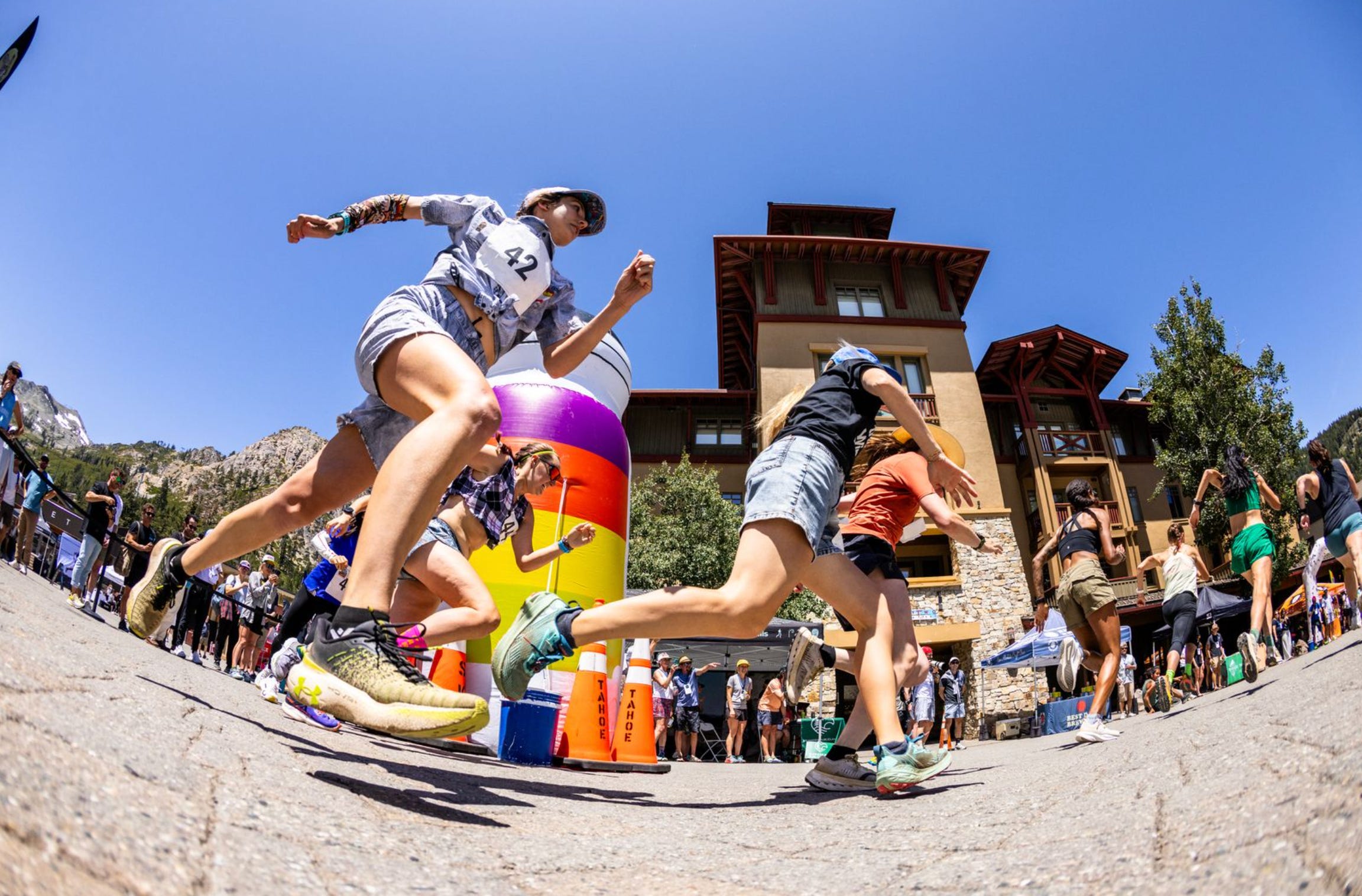
Photo courtesy of Scott Rokis, for Trail Con
For decades, running conferences have provided race directors, brands, and community leaders with a forum to exchange ideas and strengthen the sport. From the early days of Road Race Management’s Race Directors’ Meeting to the momentum of newer gatherings like TrailCon and the U.S. Trail Running Conference, these events have both reflected and shaped the industry’s trajectory.
Today’s conferences are fast becoming much more than networking opportunities: they are evolving into essential venues for addressing complex challenges, advancing inclusion, and charting the future of running.
A Legacy of Connection and Problem-Solving
When Jeff Darman first helped organize the Road Race Management Conference in 1983, the industry looked very different. Race marketing was handled through printed brochures and mass mailings, “walkie-talkies” were state-of-the-art race communications, and most race directors were volunteers.
Over the years, RRM’s annual meeting has evolved alongside the sport, shifting to digital marketing, relocating from Washington, D.C., to Florida, and expanding its educational programs to meet the needs of a professionalizing industry. The conference became a space where race directors could openly share challenges, from sponsor expectations to PR crises, and leave with practical solutions.
“You need financial, marketing, and PR skills. Conferences give you the chance to learn from those who’ve been there before — and to remember you’re not alone.”
— Jeff Darman, Road Race Management Conference
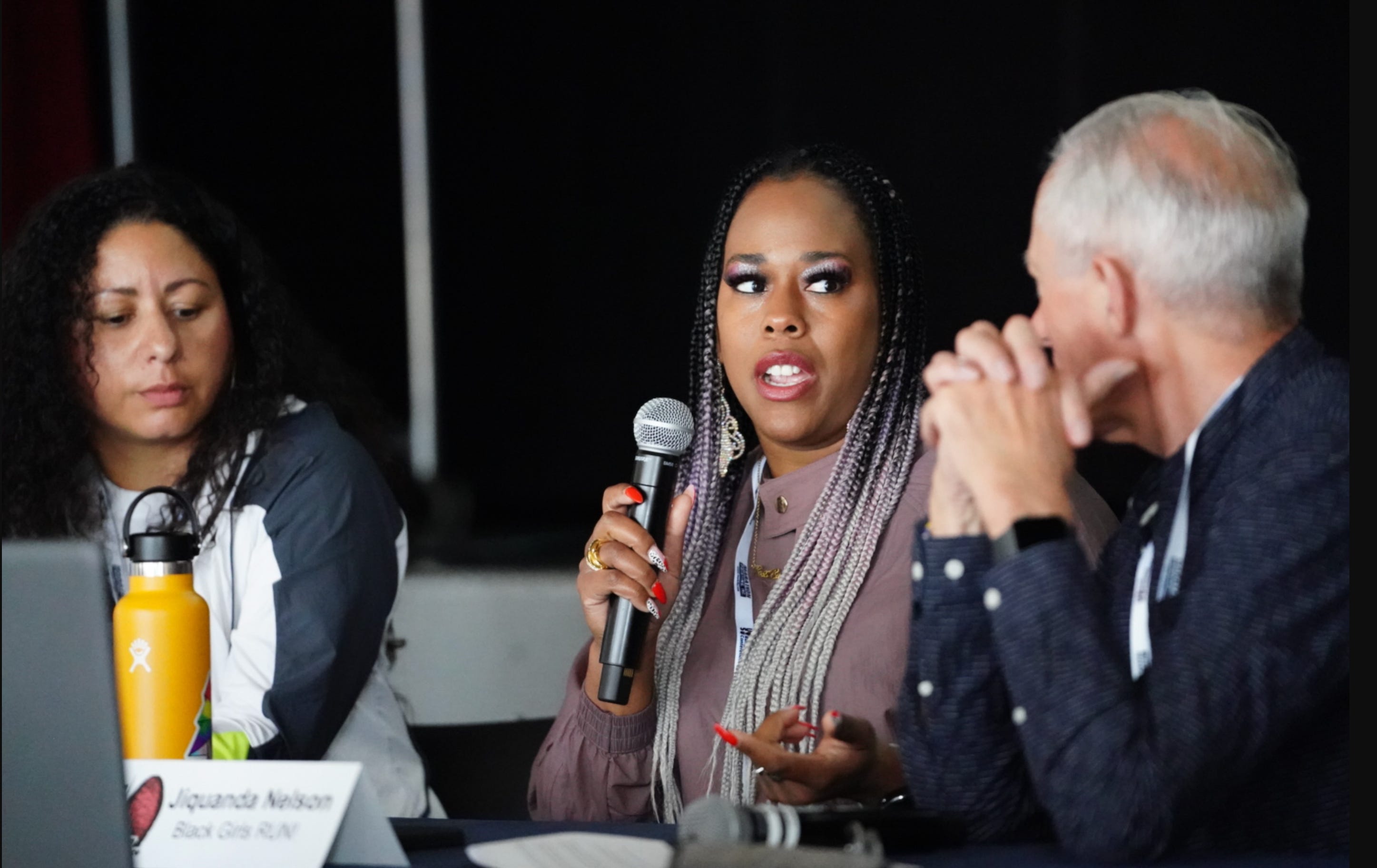
Photo courtesy of Peter Maksimow for US Trail Running Conference
Shaping the Future of Trail Running
When Terry Chiplin launched the U.S. Trail Running Conference in 2013, trail running was still considered “the poor sister of road running”; under-resourced, underrepresented, and largely absent from the national conversation. Over time, the conference has evolved into a trusted platform for trail race directors, with one of the most notable shifts being its emphasis on diversity, equity, and inclusion. After years of hosting separate DEI panels, Chiplin and his team integrated diversity into every panel for the 2024 event, a change that sparked more energy, collaboration, and new perspectives.
“By not including adaptive athletes or underrepresented voices, we’re excluding huge parts of the community.”
— Terry Chiplin, U.S. Trail Running Conference
The impact has been tangible: race directors have added blind divisions, created training guides, and made events more accessible.
For many attendees, the conference has become a lifeline, a place to network, collaborate, and find solidarity in an unpredictable landscape marked by wildfires, economic uncertainty, and other challenges beyond any RD’s control.
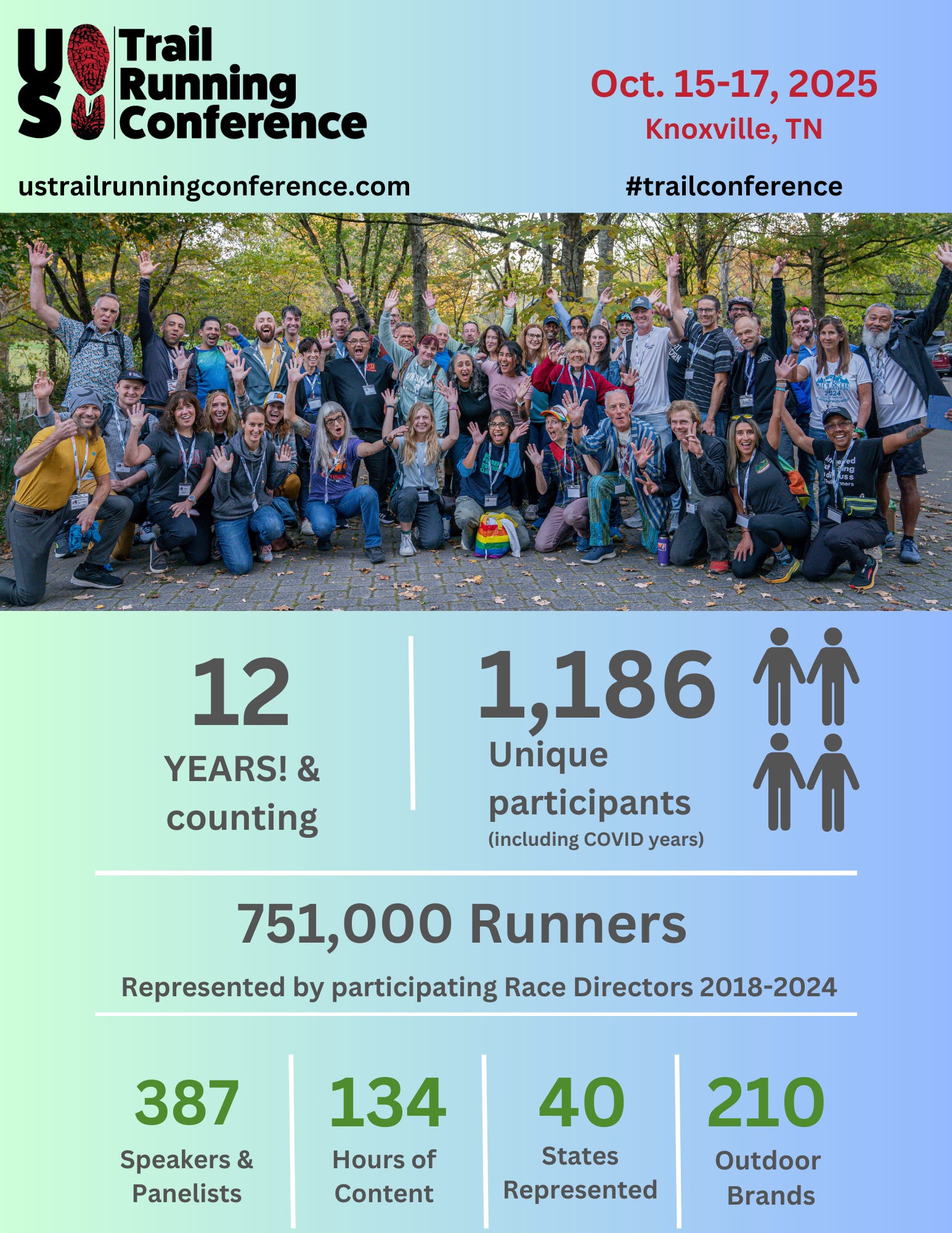
For over a decade, the US Trail Running Conference has united race directors, runners, brands, and thought leaders to strengthen the sport. Since its inception, it has welcomed over 1,100 participants, 400 speakers, and represented 750,000 runners through their attendance at races and organizations. With engagement from 40 states and 210 outdoor brands, it remains a hub for learning, collaboration, and innovation in the trail running community.
A New Kind of Industry Gathering
TrailCon, launched by Brendan Madigan, Doug Emslie, and Dylan Bowman in 2025, represents a new model: part industry summit, part fan experience. Madigan’s goal was to create something “industry-oriented but publicly facing,” a space where pros, brands, and passionate runners could connect, ask tough questions, and celebrate the sport.
Its first year surpassed expectations, drawing over 3,000 attendees and more than 60 brands. The vendor village buzzed with activity, panel discussions addressed timely topics, and live activations — like a podcast recording with Kilian Jornet — created a lively atmosphere.
“We want this to be built by the people that attend it and our goal is to use this platform to lift up the sport.”
— Brendan Madigan, TrailCon
Looking ahead, Madigan wants to refine the focus, drawing inspiration from ComicCon’s balance of insider depth and broad public appeal.
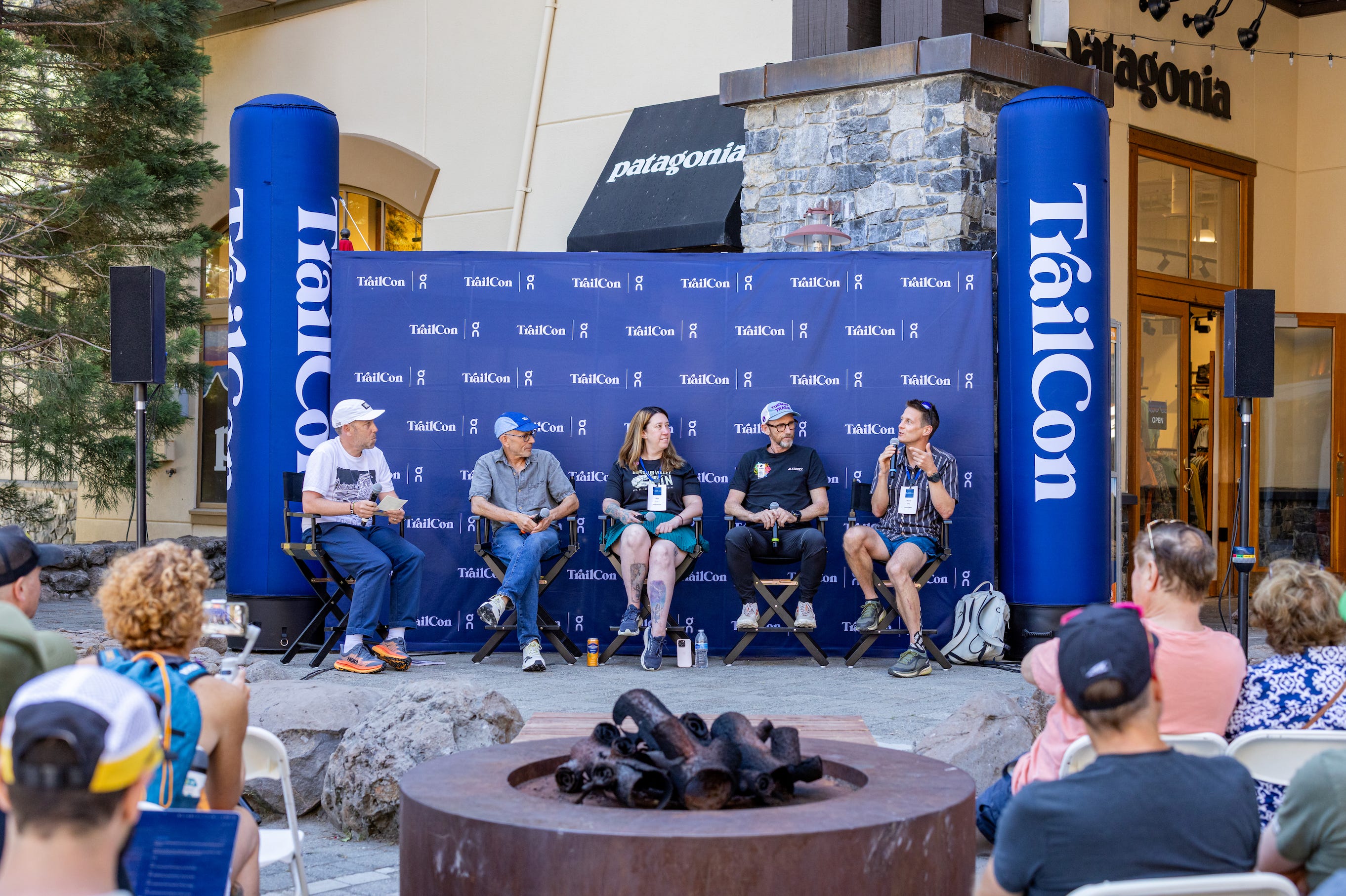
Photo courtesy of Scott Rokis, for Trail Con
What’s Next for Running Conferences?
Across all three events, a few themes emerge:
Deeper Connection: From TrailCon’s live activations to the US Trail Running Conference’s inclusive panels, conferences are moving beyond lecture formats to foster genuine interaction and connection.
Community as a Growth Engine: Whether in-person or digital, the power of the network is what keeps attendees coming back, for answers, opportunities, and camaraderie.
Adapting to Complexity: Race directing is no longer a purely logistical role. Conferences are addressing marketing, sponsorship ROI, crisis management, and the politics of the sport head-on.
Balancing B2B and B2C: Events are finding new ways to serve both the industry and the passionate runners who drive it, creating spaces where both can learn and contribute.
As the sport faces new challenges, from climate impacts to changing sponsorship dynamics, these gatherings are poised to play an even bigger role in shaping solutions. Whether you’ve been attending since the days of printed brochures or just discovered the industry through a lively panel at TrailCon, the future of running conferences is about one thing: coming together to keep the sport moving forward.